
A Positive Approach to Introducing Your Dog to Other Pets
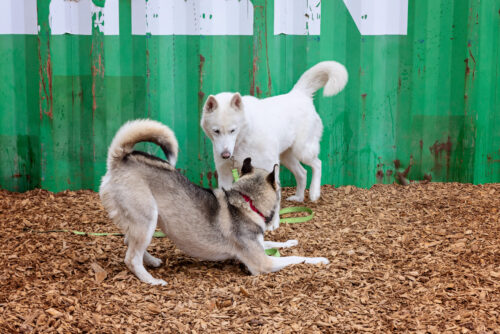
Congratulations on bringing home a new pup! If you’ve got other furry family members in the house, you’ll want to make a plan for introductions ahead of time; whether you have a playful pooch or a curious cat, taking the right approach is essential for fostering harmony among your four-legged family members. Here are some tips to make this transition as smooth as possible for everybody!
Introducing Your Dog to Other Dogs
Dogs are social animals who thrive on companionship, and with the right introduction, they can develop strong bonds with fellow canines. Here are some tips to make this tail-wagging experience a success:
Choose a neutral territory
Start the introduction in a neutral location, such as a park or a neighbor’s yard. This helps to reduce territorial instincts and allows dogs to meet on neutral ground.
Take it slow
Begin by allowing the dogs to observe each other from a distance. Gradually decrease the distance while keeping them on leashes, and observe their body language for signs of tension or aggression (hair standing up on the back, teeth baring, a stiff-legged gait, or prolonged stares). If you see such postures, calmly interrupt the interaction by distracting your dog with something else. Once both dogs seem relaxed and curious at a distance, you can proceed to the next step.
Parallel walks
Take both dogs for a walk together, maintaining a safe distance between them. This activity promotes positive associations and allows them to get used to each other’s presence without direct interaction. Take this part slowly, and above all, keep moving! Walk one dog behind the other, then switch. If the dogs are comfortable, allow them to walk side by side, but never force them to interact!
Controlled face-to-face meeting
Once the dogs have become comfortable with each other’s presence, you can allow them to greet each other face to face. Keep your own body language calm and confident, and keep the leash loose. Pay close attention to both dogs’ body language; if either pup shows signs of tension or aggression, separate them and try again later. Remember, patience is key!
When initially introducing your dogs inside the house, use a baby gate as a barrier between them. This allows you to observe their interactions while keeping them at a safe distance from each other. Take note of their body language and behaviors through the gate; when you see positive interactions, reward both dogs with high- value treats for displaying friendly and calm behavior.
Ensure a conflict-free environment within your home by removing any toys, food, or treats that could potentially trigger fights. As your pups spend time together, closely monitor their interactions, offering treats as rewards for good behavior. Continue this process until you feel completely confident that they are comfortable and safe with each other.
Introducing Your Dog to Cats
Introducing a dog to a resident cat requires a different approach! Here are some tips to ensure a smooth introduction:
Prepare a sanctuary room
Before the introduction, set up a separate room for your cat with food, water, litter box, and toys. This room will serve as a safe haven for your feline friend during the initial stages.
Scent swapping
Help your pets become familiar with each other’s scents by rubbing a clean cloth or sock on one pet, and placing it in the other’s space for a few days. This allows them to become accustomed to each other’s smell before the face-to-face meeting.
Controlled visual introduction
Use a baby gate or a tall pet gate to create a physical barrier between your dog and cat. Allow them to see each other without having direct contact. This visual introduction helps them become familiar with each other’s presence while maintaining safety.
Gradual face-to-face interaction
Once both pets are acting calm and curious, you can proceed to supervised face-to-face interactions. Keep your dog on a leash and use treats to reward calm behavior. Ensure your kitty has an escape route and can retreat to their sanctuary room if needed.
Having a home full of pets that get along is so rewarding-it just takes patience, understanding, and lots of positive reinforcement to get there!. Remember, every pet is unique, and the introduction process will take time. Be sure to reward good behavior, provide plenty of supervision, and give each pet the space and time they need to adjust. If you encounter any difficulties or concerns during the process, don’t hesitate to consult with an animal behaviorist or professional trainer. Wishing you and your furry family a lifetime of love, harmony, and joyful companionship!
This blog was written by Jen Douthwaite, DVM for our partner, Petszel.


