Community Cats
What is a Community Cat?
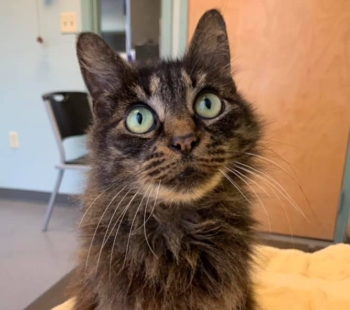
Community cat is an umbrella definition that includes any unowned cats. These cats may be feral (unsocialized/fractious) or friendly.
Many community cats are cared for by people in the community who provide food and water. Others thrive without any human intervention, especially in our temperate climate. They live in neighborhoods, shopping centers, commercial properties – anywhere they can find shelter. Whatever the circumstances, the term “community cat” reflects that these cats are suited to be within the community rather than an individual household.
Caring for Community Cats
- Remove any uneaten food within 30 minutes. Leaving food out can attract insects and wildlife.
- Provide fresh water.
- Choose one place to feed and keep it clean. We recommend creating a “feeding area” for all food dishes.
- Create litter areas using sand. You can build a box with 2’ x 4’s or use a sandbox. A sandbox helps deter cats from relieving themselves in neighborhood gardens. Be sure the litter area is in a quiet, sheltered space and clean it regularly.
- Provide safe shelters. Cats need warm, dry places that are removed from populated areas
Living With Community Cats
Community Cats help control rodents and tend to avoid humans, so most people don’t have any problems. However, if you want to keep these cats off your property try these tips:
- Remove or secure anything that might attract cats, such as pet food or garbage cans.
- Push chopsticks or 10-inch plant stakes into flowerbeds every eight inches.
- Cover exposed dirt areas with large rocks, or place lattice fencing over the soil. You can plant directly in the openings of the lattice. This is also a great way to control weeds!
- Sprinkle orange and lemon peels, pipe tobacco, and coffee grounds on your garden, or spray the area with citronella, eucalyptus, or lemongrass oil.
Targeted TNR with S.P.O.T.
The Humane Society for Tacoma & Pierce County supports Trap/Neuter/Return (TNR), which has proven to be the most effective, humane method of reducing community cat populations. Through TNR, these cats are humanely trapped, vaccinated, microchipped, spayed or neutered, ear-tipped, and returned to outdoor homes to live out their lives.
Our Targeted Trap/Neuter/Return (TNR) program is able to bring spay/neuter surgeries and vaccinations directly to local cat colonies with the help of S.P.O.T., our mobile veterinary unit. We work with community caretakers who identify, assist with trapping, and continue to monitor and provide care to the cat colony after they have been returned.
We focus on larger colonies to aim to bring a reduction to overwhelming populations of community cats in condensed areas. If you would like to report a colony of community cats you are aware of or care for yourself please fill out our online form.
Please Note: Due to high submission volume, please allow our team additional time to review your request. We’ll respond as soon as we’re able. Thank you for your patience!
Community Cat FAQs
-
What is Targeted TNR?
TNR, or Trap/Neuter/Return, is the process of humanely trapping community cats, having them spayed or neutered and vaccinated, and then returning them to their outdoor homes. Targeted TNR focuses on trapping the majority of cats in a specific colony or area. By doing this, the cat population is stabilized and, over time, reduced as fewer litters are born. Our Targeted TNR program also partners with a cat caretaker who provides food and monitors the cats’ wellbeing to ensure they stay healthy and safe in their outdoor homes.
-
Why is TNR beneficial?
Trap/Neuter/Return, or TNR, improves the lives of unowned community cats and their ability to coexist peacefully with their human neighbors.
It is a proven way of:
- Improving the health and quality of life of community cats.
- Stabilizing and reduce the size of community cat colonies over time by preventing additional kitten litters.
- Reducing shelter intake that may lead to illness and disease.
- Minimizing nuisance behaviors like spraying and fighting.