Targeted Trap-Neuter-Return
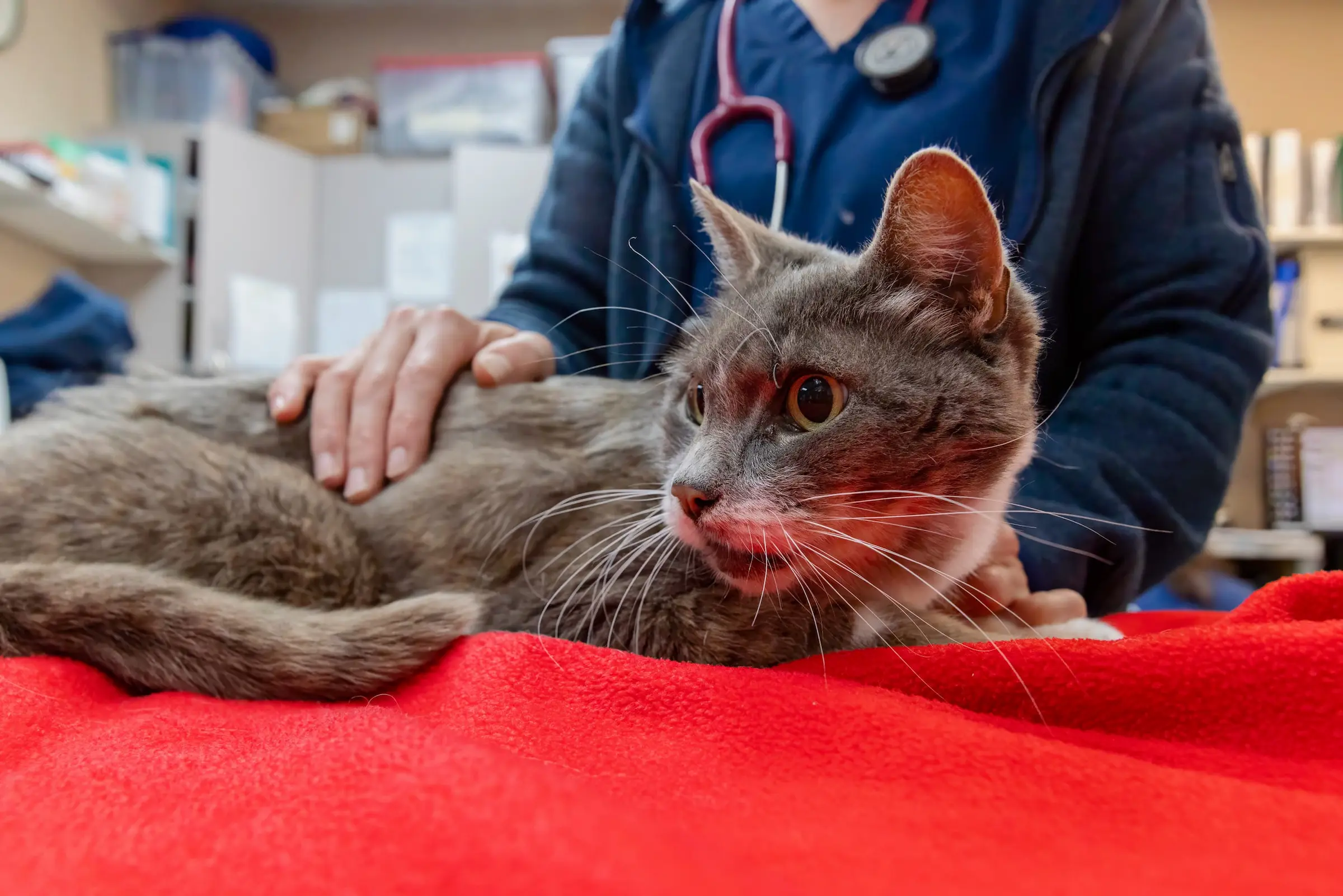
Outdoor cats are part of many Pierce County neighborhoods. Tacoma Humane’s Targeted Trap-Neuter-Return program works with community caregivers to humanely reduce outdoor cat populations, improve colony health, and address the issue where it begins, right in the communities these cats call home.
Caring For Cats Where They Already Live
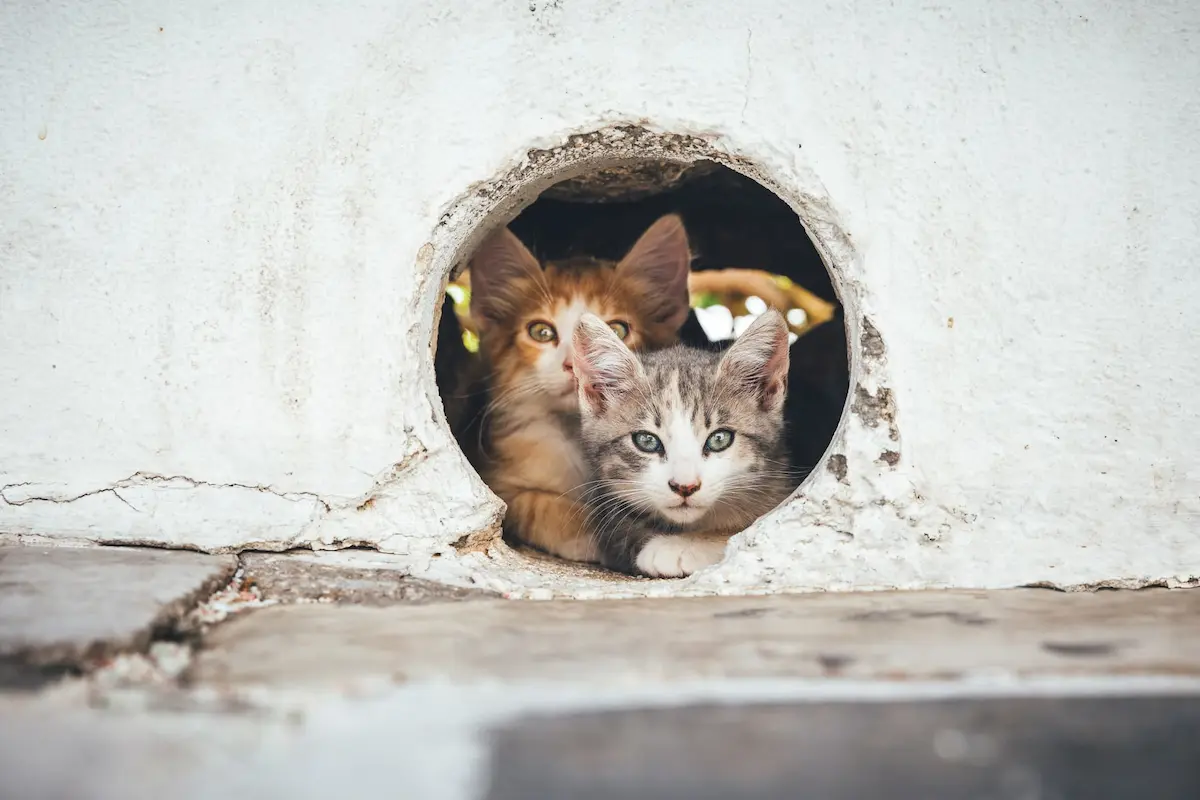
Community cat populations can grow quickly. Cats may become pregnant when they are only a few months old, and new litters can be born throughout the year. Trap-Neuter-Return, or TNR, is a humane approach to managing populations of free-roaming, unowned cats.
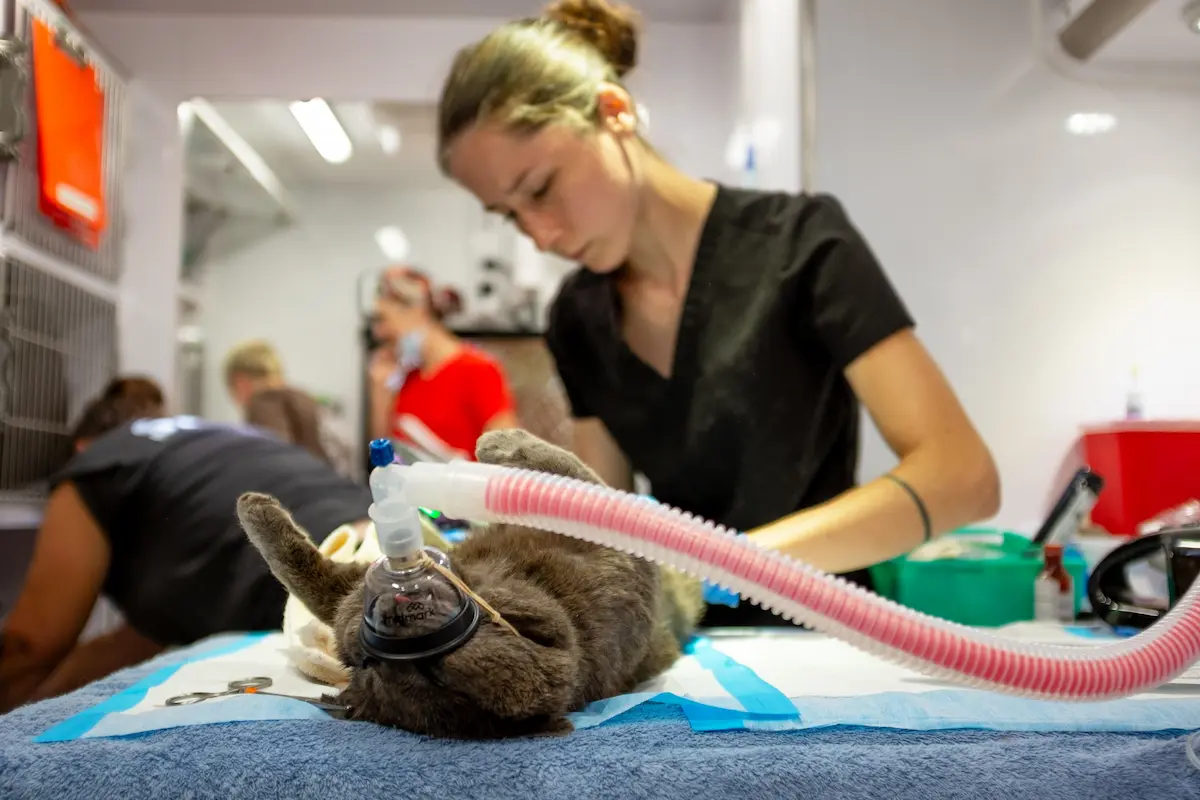
Cats are humanely trapped, examined, spayed or neutered, vaccinated, ear-tipped, given time to recover, and returned to the outdoor territory where they were found.
Targeted TNR takes this approach one step further. Rather than treating individual cats one at a time, we use shelter data, community reports, and local partnerships to focus on areas where coordinated care can make the greatest long-term difference.
By reaching most or all of the cats within a colony, the program helps prevent new litters, stabilize the population, preserve shelter space for animals with urgent needs, and improve conditions for both the cats and their human neighbors.
What is a Community Cat?
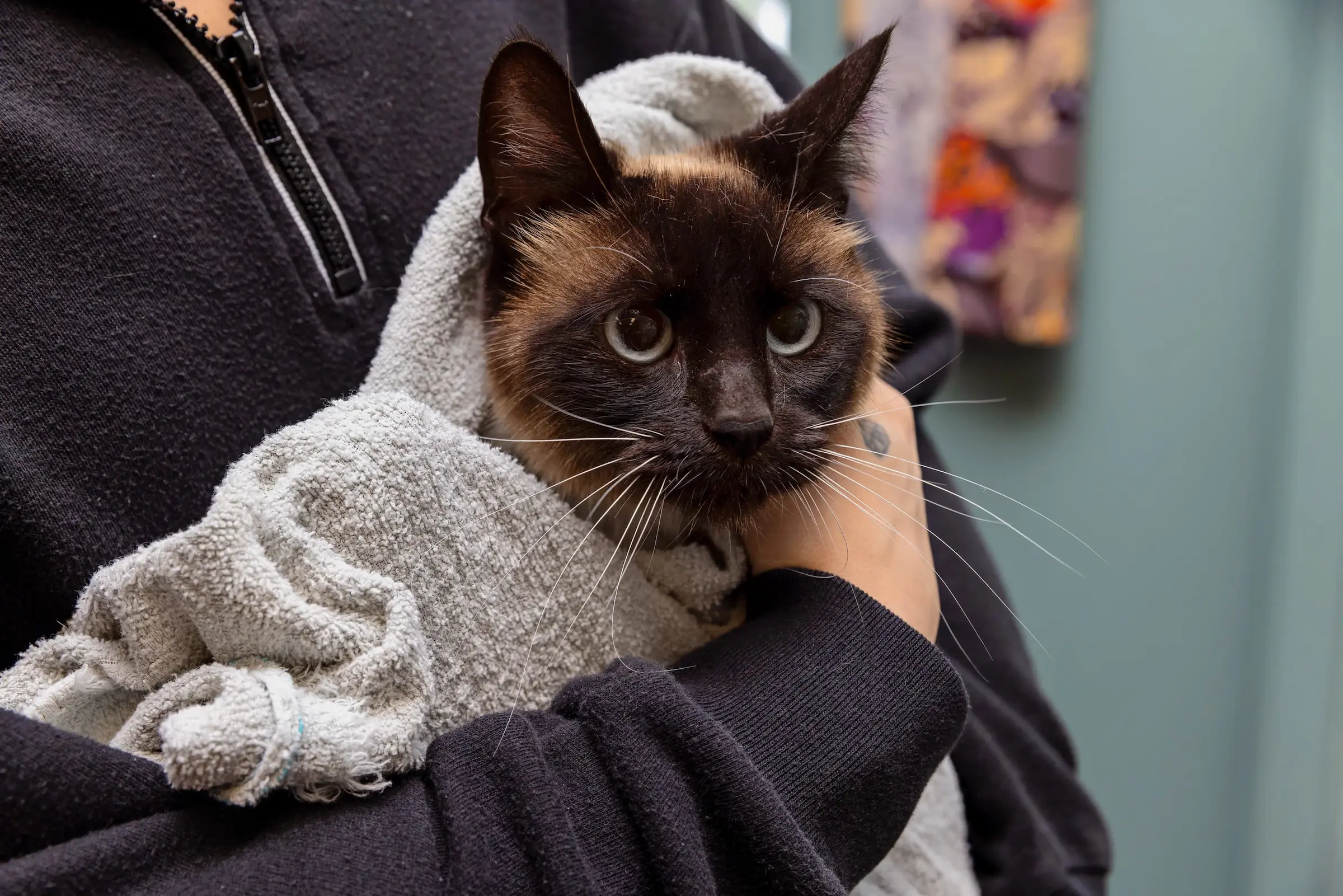
Community cats are free-roaming, unowned cats who live outdoors rather than in individual households. They may be friendly, semi-socialized, or fearful of people.
Some live alone. Others form colonies near apartment communities, mobile home parks, farms, barns, businesses, industrial sites, or other places where they have access to food and shelter.
Many are watched over by community caregivers who provide food, fresh water, shelter, and basic oversight. Others live independently with little or no direct human care.
For these cats, the neighborhood is already home.
Caring for Community Cats
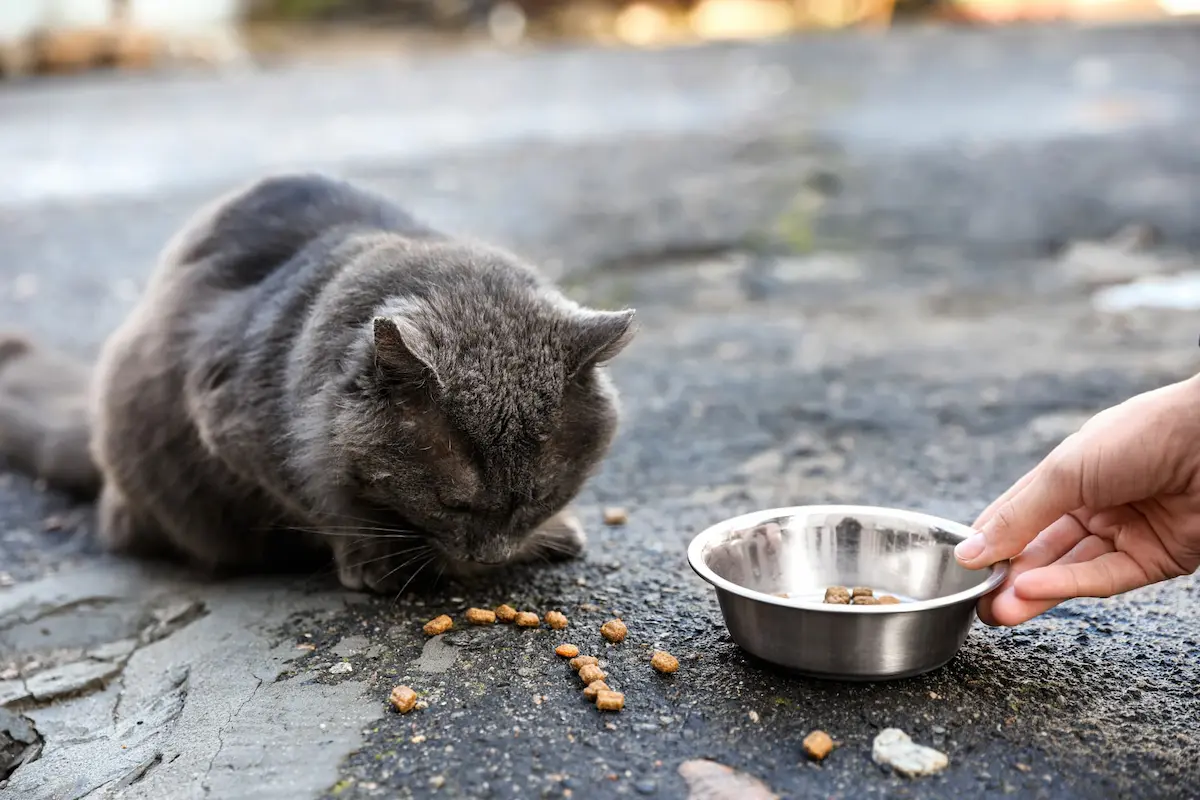
If you care for outdoor cats, a consistent routine can help keep the colony healthier and reduce conflict with neighbors.
Feed Responsibly
- Feed at the same place and time each day.
- Offer only as much food as the cats can finish.
- Remove remaining food after approximately 30 minutes.
- Keep dishes and the feeding area clean.
- Avoid leaving food out overnight where it may attract wildlife.
Provide Fresh Water
Keep clean water available and replace it regularly, especially during hot or freezing weather.
Offer Safe Shelter
Place weather-resistant shelters in quiet, protected areas away from heavy foot or vehicle traffic.
Keep the Area Clean
Remove trash, old bedding, food containers, and other debris. A well-maintained colony site helps protect the cats and supports positive relationships with neighbors.
Watch for Changes
Notice new cats, cats without ear tips, injuries, signs of illness, or new kittens. Early reporting helps caregivers and animal-welfare partners respond more effectively.
Other Ways to Help Community Cats
Targeted TNR is one part of a larger effort. Here are a few other ways this work continues.
Frequently Asked Questions
What’s the difference between a community cat and a stray or lost pet?
A community cat is unowned and living outdoors as part of a colony, whether or not someone feeds them. Many are feral or semi-feral and were never someone’s pet. If you’ve found a friendly cat that seems lost or displaced, visit our Lost & Found section.
Can I bring community cats directly to Tacoma Humane for TNR?
Targeted TNR is a coordinated, location-based program and is not a walk-in surgery service. Please submit a colony report so our team can review the location, number of cats, available caregiver support, and current program capacity.
Does submitting the form guarantee services?
No. Reports help us understand community need, but selection depends on several factors, including location, colony size, available veterinary capacity, staffing, funding, caregiver participation, and the potential impact of a coordinated effort.
Our team may also provide alternative resources when the colony is not currently eligible for the program.
How long will it take to hear back?
Response times vary based on submission volume and program capacity. Please provide as much accurate information as possible so our team can review the request efficiently.
Submitting multiple forms for the same colony will not move the request forward more quickly.
Does Tacoma Humane remove community cats?
Targeted TNR is not a cat-removal program. Healthy community cats are generally returned to the outdoor territory they already know after receiving care.
Removing cats without addressing reproduction in the surrounding area can create space for new unaltered cats to move in.
Why are the cats returned outside?
For community cats, the outdoor location where they were found is their established home. It is where they know how to find food, shelter, familiar cats, and safety.
Many community cats are not socialized for indoor living and may experience significant fear and stress in a shelter or household environment.
What does an ear tip mean?
An ear tip shows that a community cat has already been spayed or neutered through a TNR program. The procedure is completed while the cat is under anesthesia and provides a clear, permanent way to identify altered cats from a distance.
What should I do if a community cat appears injured or sick?
Contact the animal-control agency responsible for the location where the cat was found. For emergencies, seek guidance from a veterinary provider or local emergency animal hospital.
Do not wait for a Targeted TNR response when an animal appears to need immediate medical intervention.
What should I do if I find kittens?
Do not assume kittens have been abandoned. Their mother may be nearby gathering food or waiting for people to leave.
Observe from a safe distance and avoid moving healthy kittens unless they are in immediate danger. Visit our Found Kittens page for age-specific guidance and next steps.