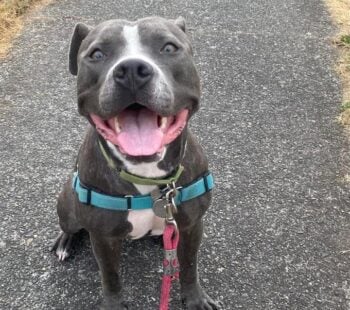
A Closer Look at Spaying and Neutering
Spay and neuter surgeries are a routine part of the work at Tacoma Humane and shelters across the country. Every year, our veterinary team performs thousands of these surgeries, helping animals in our care prepare for adoption and their next chapter.
But what exactly goes into a single spay or neuter surgery? And what does one day of surgery look like for a shelter veterinary team?
What Goes Into a Spay or Neuter Surgery
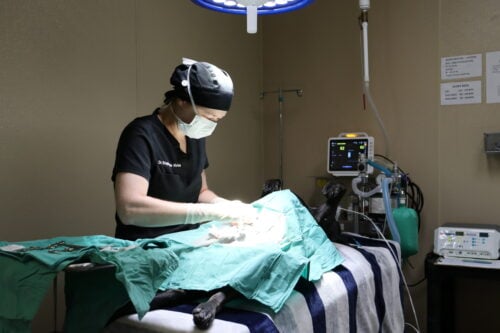
You might first think of the physical items needed to perform a surgery: a surgery table, anesthesia machine, surgical implements, monitoring equipment, and other supplies. All are essential to perform surgeries at our shelter.
This specialized equipment can be costly. For example, a hydraulic surgery table can cost $6,000, while a surgery pack with all necessary surgical instruments for a single surgery can cost over $200.
Beyond the equipment and supplies, each surgery requires dedicated space and a skilled veterinary team. Our surgery suite includes two surgery tables, a prep table, a recovery area, an instrument sterilization area, storage, and kennel banks for pets before surgery.
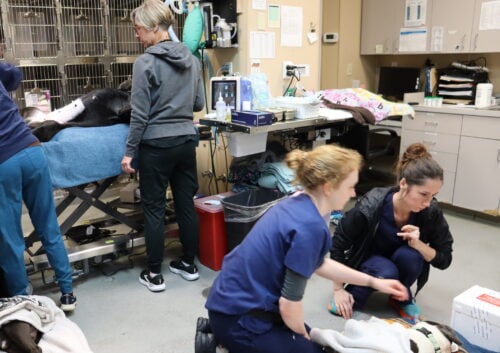
On a typical surgery day, one veterinarian, one licensed veterinary technician, and three veterinary assistants work together to prepare animals for surgery, perform the surgeries, and help animals through recovery. The team works closely together to keep everything moving smoothly throughout the day.
And there’s so much more involved than the procedure itself.
What Does One Day of Surgery Look Like?
A typical surgery day begins at 7 a.m. Staff review the day’s schedule, bring pets from their shelter kennels to the surgery area, perform pre-surgical exams, and prepare medications needed for surgery.
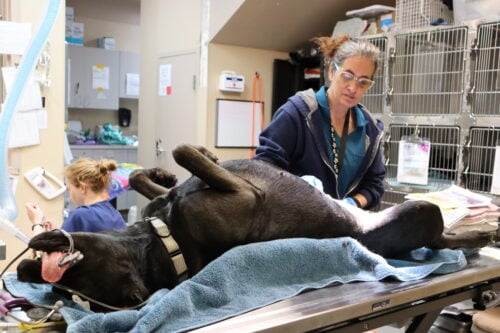
Once the team is ready for the first surgery, they begin preparing the first animal on the list. Once the pet is asleep under anesthesia, staff shave and sterilize the surgery area, place a breathing tube in the animal’s airway (intubation), and move them to the surgery table for the veterinarian to begin.
Once surgery is complete, the veterinarian sutures the incision and adds a small blue tattoo on the abdomen that indicates the pet has been spayed or neutered. While the veterinarian performs surgery on one animal, staff are already preparing the next so the team can move efficiently from one surgery to the next.
The animal is then moved to the recovery area, where staff monitor them as they begin to wake from anesthesia. Staff may provide vaccine boosters, a microchip, or a nail trim, if needed, before the pet wakes up. They also monitor the pet’s body temperature, heart rate, and oxygen levels. Because anesthesia can lower body temperatures, recovering pets are kept warm with blankets and warm air.
This process of preparation, surgery, and recovery continues throughout the day, with our team performing an average of 30 spay and neuter surgeries in a single day.
And once the surgeries are complete, the work isn’t over. Staff still need to enter surgical notes into the animal’s medical record, return pets to their kennels, clean the surgery suite, sterilize instruments, and prepare surgical packs for the next day. Everything is usually wrapped up by 6 p.m., which is the end of an 11-hour day!
The Bigger Picture
All of that work adds up.
In 2025, Tacoma Humane performed 5,776 spay and neuter surgeries. That’s over 500 more than the previous year.
The need for this work also continues to grow. According to Shelter Animals Count, approximately 22% of pets entering shelters in 2023 arrived already spayed or neutered, eight percentage points lower than in 2019. Fewer animals arriving already spayed or neutered means more animals needing surgery before they are ready for adoption.
Behind every one of Tacoma Humane’s surgeries is a team of skilled veterinary professionals working together to provide thoughtful care. And behind that team is a community of donors and supporters who help make this work possible.
It’s one more way our community comes together to support pets and the people who care for them across Pierce County.